

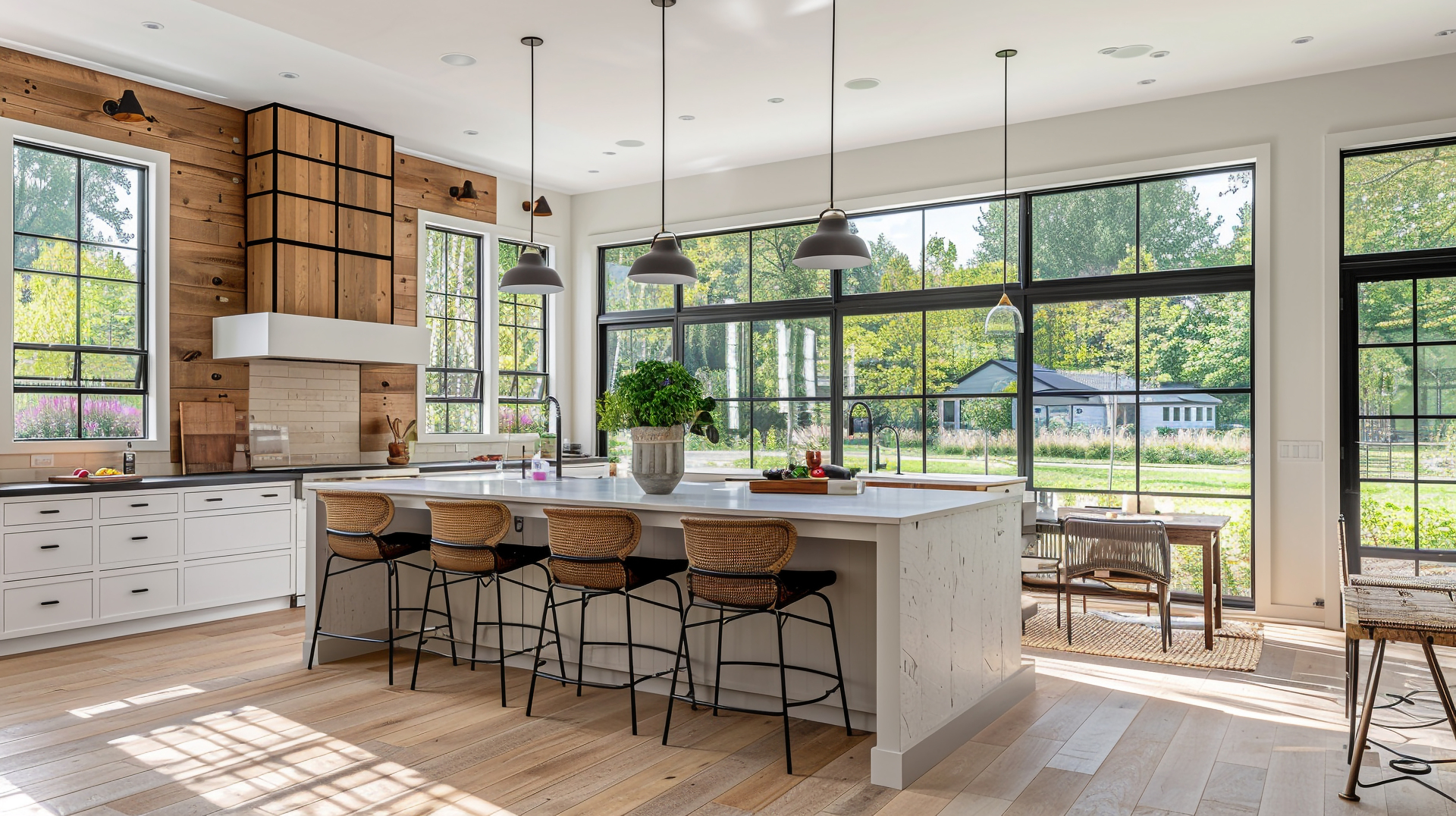
Hardwood floors have long been associated with warmth, character, and timeless appeal. Over the years, they have moved beyond living rooms and bedrooms and into spaces once considered off-limits—like kitchens. For many homeowners, the idea of continuous hardwood flowing from one room to the next is appealing, especially in open-concept layouts. Still, kitchens come with daily challenges that make flooring decisions more nuanced. Understanding both the benefits and limitations of hardwood in this space helps set realistic expectations and leads to better long-term satisfaction.
The visual impact hardwood brings to kitchen spaces
Few flooring options match the natural beauty of hardwood. In kitchens, wood floors soften the look of cabinetry, countertops, and appliances, creating a balanced and welcoming environment. Whether paired with modern flat-panel cabinets or traditional designs, hardwood adds warmth that tile and vinyl often struggle to replicate.
Another advantage is continuity. Using the same hardwood flooring throughout adjacent rooms creates a seamless flow, making kitchens feel larger and more connected to surrounding living areas. This visual consistency is especially valued in homes where the kitchen acts as a central gathering space rather than a separate room.
Comfort underfoot during long kitchen days
Kitchens are work zones. From meal prep to cleanup, standing for extended periods is common. Hardwood offers a more forgiving surface than tile or stone, reducing strain on feet, knees, and lower backs. While area rugs can add extra comfort, many homeowners find hardwood naturally easier to stand on during daily routines.
Temperature is another factor. Hardwood does not feel as cold as tile, which can be noticeable during early mornings or colder seasons. This subtle comfort upgrade often becomes one of the most appreciated benefits over time.
How durability holds up in real kitchens
Hardwood is strong, but kitchens test that strength. Dropped utensils, dragged chairs, and high foot traffic are part of daily life. Quality hardwood floors can handle this activity, especially when finished properly, but they are not immune to wear.
Scratches and dents can occur, particularly with softer wood species. However, many homeowners view minor wear as character rather than damage. Over time, hardwood develops a lived-in look that tells the story of the home. For those who prefer a pristine appearance, routine maintenance and protective pads under furniture are essential.
Moisture exposure and everyday risks
Water is the biggest concern when considering hardwood in kitchens. Spills, splashes, and humidity can cause problems if moisture is left unattended. Unlike bathrooms, kitchens usually experience brief water exposure rather than standing water, which makes hardwood a viable option when care is taken.
Sealed hardwood floors with modern finishes offer improved resistance compared to older installations. Still, prompt cleanup is necessary. Dishwashers, sinks, and refrigerators should be monitored for leaks, and floor mats near sinks help minimize risk. Hardwood rewards attentiveness but punishes neglect more than some other flooring materials.
Maintenance expectations homeowners should know
Hardwood floors require consistent care to maintain their appearance in kitchens. Regular sweeping or vacuuming prevents grit from scratching the surface. Damp mopping should be done sparingly, using products designed specifically for hardwood.
Over the years, refinishing may be needed to restore the floor’s original look. While this adds to long-term costs, it is also a benefit—hardwood can be refreshed rather than replaced. This ability to renew the floor often offsets the initial investment when viewed over decades of use.
Resale value and long-term appeal
From a resale perspective, hardwood floors remain a strong selling point. Many buyers actively look for homes with hardwood, including kitchens, because it signals quality and thoughtful design. While trends shift, hardwood’s reputation for timelessness continues to hold value.
In competitive housing markets, a well-maintained hardwood kitchen floor can help a home stand out. It suggests continuity, craftsmanship, and attention to detail—qualities that resonate with buyers even if they plan future updates.
Situations where hardwood may not be the right fit
Despite its appeal, hardwood is not ideal for every household. Homes with heavy water exposure, frequent large spills, or limited time for maintenance may find the demands challenging. Families with very active pets or young children might also prefer a more forgiving surface that hides wear more easily.
Lifestyle plays a major role. Hardwood works best when homeowners are comfortable with a material that evolves over time rather than staying perfectly uniform. Those seeking a worry-free, low-maintenance option may find alternatives better suited to daily demands.
Balancing style, function, and daily habits
Choosing hardwood for a kitchen is rarely about looks alone. It involves balancing design goals with real-life habits. When expectations align with how the space is used, hardwood can perform beautifully and age gracefully. The key lies in selecting the right wood species, finish, and installation approach based on how the kitchen functions day to day.
Talk with our flooring experts about whether hardwood makes sense for the kitchen
At Floors Direct, we help homeowners make confident kitchen flooring decisions with honest guidance and shop-at-home convenience. Our flooring experts bring hardwood samples directly to the home and walk through real-life pros, cons, and maintenance expectations before installation. We proudly serve Bedminster, Bernardsville, Basking Ridge, Mendham, and Morristown, NJ. Contact us today!


