

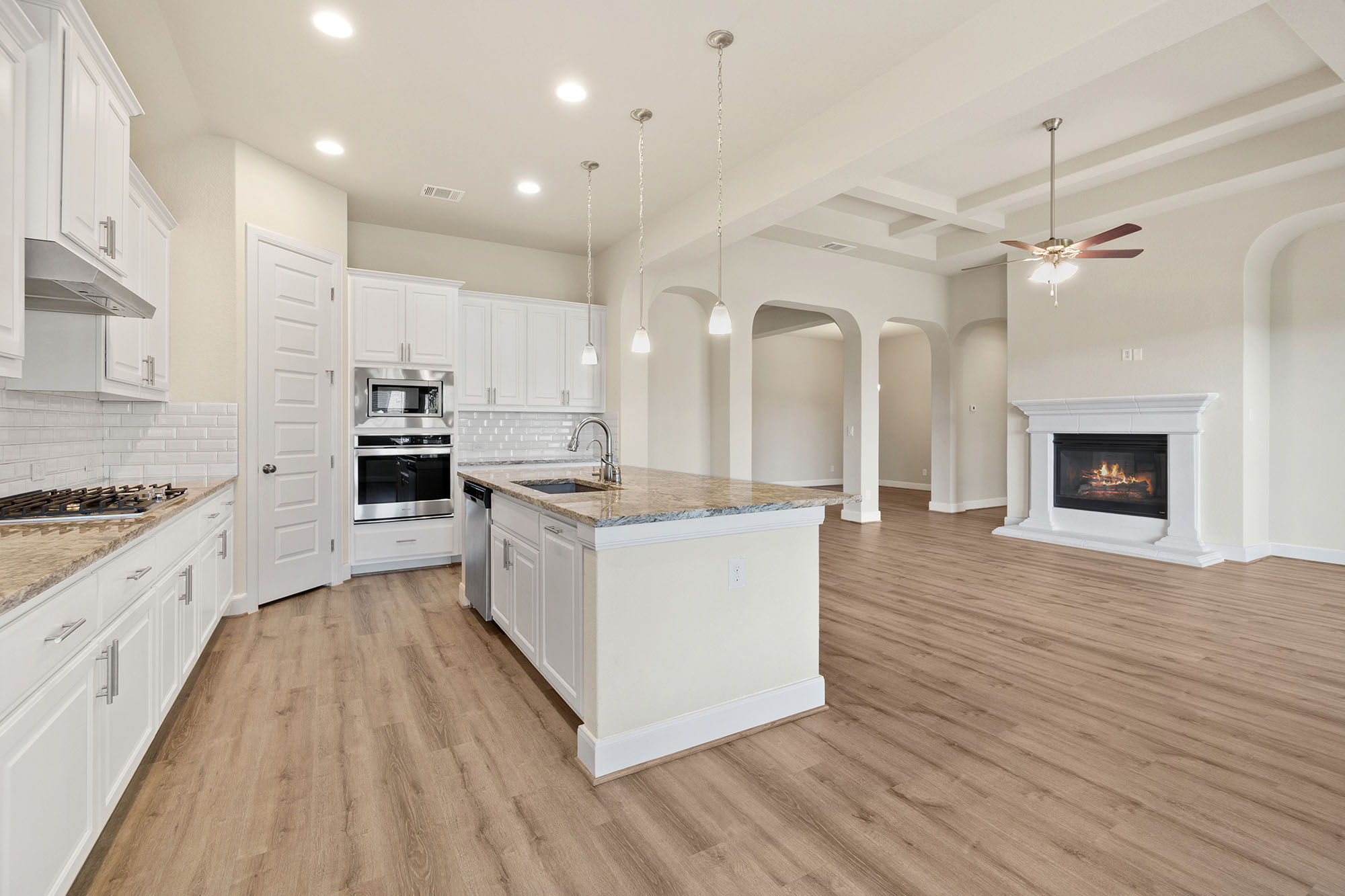
Your home does not have to use the same flooring in every room to feel connected. In fact, combining different flooring types can give each space its own character while still creating a natural flow throughout your home. The key is making sure those changes feel intentional.
When you are planning a flooring update in your Bedminster, NJ home, thinking about how one surface connects to another can help you create a polished result. You can explore laminate flooring options while considering how they will work with the flooring already in nearby rooms.
Think Beyond Individual Rooms
It is easy to choose flooring by looking at one room at a time. However, the way your rooms connect can have just as much impact on the finished appearance. If you can see two or more spaces from a single viewpoint, the flooring choices should complement each other.
This does not mean every floor needs to have the same color or material. Instead, look for a relationship between the finishes. Similar tones, complementary shades, or consistent design details can make different flooring surfaces feel like part of the same home.
Use Transitions Where They Make Sense
A flooring transition marks the point where one surface changes to another. You might have a transition between a living room and kitchen, a hallway and bedroom, or two adjoining areas with different flooring needs.
A well planned transition can make the change look deliberate rather than abrupt. The exact approach depends on the flooring materials, room layout, and installation requirements, so it is worth considering these details before you finalize your selections.
Coordinate Colors and Finishes
Color is one of the simplest ways to create continuity. You can choose flooring with related undertones even when the materials are different. For example, warm flooring in one area can pair naturally with another surface that has similar warm tones.
You can also use décor to connect the spaces. An area rug, furniture piece, or accent color can repeat a tone from one room in another, helping the transition feel more natural.
Let Each Room Have Its Own Purpose
Different rooms often have different flooring needs, and that is perfectly fine. You may prefer carpet in a bedroom or another comfortable space while choosing a hard surface for an area that needs a different type of performance.
If you are considering carpet for one of your rooms, take a look at carpet flooring options and think about how the texture and color can complement the flooring in adjoining spaces.
Do Not Forget Smaller Details
The transition itself is only one part of creating a cohesive look. Pay attention to doorways, hallways, room openings, and areas where furniture may naturally separate spaces. These details can influence how noticeable a flooring change becomes.
You should also consider the overall direction of your flooring installation. Consistent visual flow can help guide the eye from one space to another and make your home's layout feel more connected.
Create a Home That Feels Connected
When you plan flooring transitions as part of the bigger design, you can give every room its own personality without making your home feel disconnected. By coordinating colors, finishes, layouts, and materials, you can create a more natural flow from one space to the next.
Ready to plan your flooring update? Contact Floors Direct today to explore options for your Bedminster home.


